
What Are Nootropics? A Beginner's Guide (2026)
New to nootropics? This beginner's guide explains what they are, how they work, who they're for, and which ones are actually worth trying in 2026.

disclosure This article contains affiliate links. Purchases may earn us a commission at no extra cost to you. We only recommend products we've reviewed.
featured in this review
Audio Brain Programs
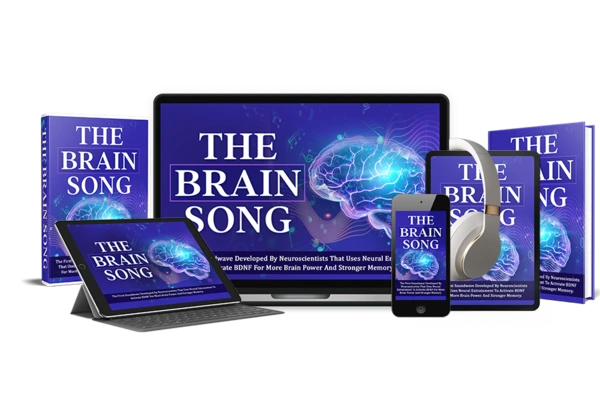
A 7-minute daily audio that uses neuroscience-backed sound frequencies to sharpen focus, boost memory, and unlock your brain's full potential. Used by 80,000+ people worldwide.
What Are Nootropics? A Complete Beginner's Guide to Brain Performance Supplements
You've probably heard the word "nootropics" more and more lately.
Maybe a colleague mentioned them. Maybe you saw an ad for a "smart drug" that promises to make you think faster. Maybe you're simply curious about what's actually available to help your brain perform better.
Whatever brought you here — this guide will give you a clear, honest, science-based answer to the most common questions about nootropics.
No hype. No exaggeration. Just the facts.
What Does "Nootropic" Actually Mean?
The word "nootropic" comes from the Greek words "nous" (mind) and "tropein" (to bend or turn). Literally: something that bends or shapes the mind.
The term was coined in 1972 by Romanian psychologist and chemist Dr. Corneliu Giurgea, who defined a true nootropic as a substance that:
- Enhances memory and learning ability
- Supports brain function under disruptive conditions
- Protects the brain from chemical and physical damage
- Increases the efficacy of cortical and subcortical control mechanisms
- Has virtually no side effects and is non-toxic
By this definition, a true nootropic is not a stimulant, not a sedative, and not a pharmaceutical drug. It's a substance that genuinely improves how your brain works — safely and sustainably.
Types of Nootropics
The nootropics category is broad. It includes:
Natural Nootropics
Substances found in nature that have cognitive-enhancing properties:
- Lion's Mane Mushroom — stimulates nerve growth factor (NGF), supporting memory and learning
- Bacopa Monnieri — Ayurvedic herb shown to improve memory formation and reduce anxiety
- Rhodiola Rosea — adaptogen that reduces mental fatigue and improves focus under stress
- Ashwagandha — reduces cortisol and supports calm, focused mental states
- L-Theanine — found in green tea, promotes calm alertness without drowsiness
Synthetic Nootropics
Lab-created compounds designed to enhance cognition:
- Citicoline — supports brain energy and neural regeneration
- Phosphatidylserine — most evidence-backed nootropic for memory
- L-Tyrosine — precursor to dopamine and noradrenaline, enhances cognition under stress
Audio-Based Nootropics
A newer category that uses sound technology rather than substances:
- Binaural beats — audio frequencies that shift brain wave states
- Theta wave programs — specifically engineered to activate focus and memory states
- Programs like The Brain Song and The Genius Switch fall into this category
Nootropic Stacks
Combinations of multiple nootropic ingredients designed to work synergistically — like Pineal Guardian X, which combines Ginkgo Biloba, Bacopa Monnieri, and Lion's Mane targeting several brain pathways at once.

How Do Nootropics Work?
Different nootropics work through different mechanisms. The main ones are:
1. Neurotransmitter support
Some nootropics increase the availability of key brain chemicals — dopamine for motivation, acetylcholine for memory, serotonin for mood. More neurotransmitters = better brain communication.
2. Brain energy optimization
Your brain consumes 20% of your body's energy despite being only 2% of your body weight. Nootropics like Citicoline boost mitochondrial function in brain cells — more energy = better performance.
3. Cerebral blood flow
Some nootropics — like Maritime Pine Bark and Ginkgo Biloba — increase blood flow to the brain, delivering more oxygen and glucose to neurons.
4. Neuroprotection
Antioxidant nootropics protect neurons from oxidative stress and inflammation — the primary drivers of age-related cognitive decline.
5. Brain wave entrainment
Audio-based nootropics like binaural beats work by synchronizing your brain's electrical activity to specific frequencies — Theta waves for memory and creativity, Alpha waves for calm focus.
Do Nootropics Actually Work?
The honest answer: it depends on the nootropic.
Some have strong clinical evidence. Others are backed only by marketing.
Strong evidence:
- Citicoline — multiple human trials showing improved memory and attention
- Phosphatidylserine — FDA-qualified health claim for cognitive decline reduction
- Bacopa Monnieri — consistent results in human trials for memory improvement
- L-Theanine + Caffeine — well-documented synergistic focus enhancement
- Binaural beats — multiple peer-reviewed studies showing measurable brain wave changes
Weak or no evidence:
- Most proprietary blends with undisclosed doses
- Products making disease claims (illegal and scientifically unfounded)
- Anything promising "instant genius" or dramatic overnight results
The key is choosing nootropics with transparent formulas, appropriate doses, and genuine research behind them.
Who Are Nootropics For?
Nootropics are used by a surprisingly wide range of people:
**Professionals under high cognitive demand**
Pharmaceutical executives, software engineers, financial analysts, lawyers — people whose careers depend on sustained mental performance. This group is particularly prominent in cities like Basel, Zurich, and Geneva, where cognitive demands are among the highest in Europe.
Students and academics
Medical students, law students, PhD candidates — anyone needing to absorb and retain large amounts of complex information.
Entrepreneurs and creatives
Writers, designers, founders — people who need consistent access to creative flow states and original thinking.
Adults over 40
People noticing early signs of cognitive decline — slower recall, reduced focus, mental fog — who want to address it proactively rather than reactively.
Biohackers
Individuals who systematically optimize their biology for peak performance — tracking everything from sleep to HRV to cognitive test scores.

Are Nootropics Safe?
For true nootropics — yes, generally very safe.
The key distinction is between true nootropics (natural, non-toxic, supportive) and stimulants or pharmaceuticals that are sometimes mislabeled as nootropics.
True nootropics are:
- Non-addictive
- Non-toxic at recommended doses
- Free of significant side effects
- Legal and available without prescription
Be cautious of:
- Products with undisclosed ingredients
- Anything containing high doses of stimulants (racetams, modafinil, etc.)
- Products making pharmaceutical-level claims
- Anything requiring a prescription in your country
Audio-based nootropics like binaural beat programs are among the safest options available — they use sound, not substances, and have no known side effects.
How to Choose Your First Nootropic
If you're new to nootropics, follow these principles:
1. Start simple
Don't begin with a complex stack. Start with one well-researched ingredient or program and assess the results before adding more.
2. Define your goal
- Memory problems → look for Bacopa, Phosphatidylserine, or The Memory Wave
- Focus issues → look for L-Theanine, Citicoline, or The Genius Switch
- General brain health → Pineal Guardian X or The Brain Song
3. Check the evidence
Look for products with published human studies, transparent formulas, and independent testing.
4. Use the guarantee
Quality nootropic products come with money-back guarantees. Use them. A 30-60 day trial is enough to assess whether something is working.
5. Be patient
Most nootropics — especially natural ones — take 4-8 weeks of consistent use to show full results. Audio programs can show effects much faster, often within the first week.
The Best Nootropics to Start With in 2026
Based on the available evidence, here are the top recommendations for beginners:
Best audio program: The Brain Song — 7 minutes daily, instant access, 365-day guarantee. The easiest, lowest-risk entry point into brain performance optimization.
Best for focus: The Genius Switch — specifically engineered for deep focus and flow states. Ideal for professionals with demanding cognitive workloads.
Best for memory: The Memory Wave — targeted Theta frequency audio for memory restoration. Ideal for adults over 40.
Best supplement stack: Pineal Guardian X — plant-based ingredients with individual research support, transparent formula.
Final Thoughts
Nootropics are not magic. They are tools.
Used correctly — with realistic expectations, consistency, and a foundation of good sleep, exercise, and nutrition — they can make a genuine, measurable difference in how your brain performs.
The field has matured significantly in recent years. The best products today are backed by real, published research and manufactured under rigorous quality-control standards.
Whether you choose a supplement, an audio program, or both — the most important step is simply to start.
Your brain is your most valuable asset. It deserves the same attention you give to your physical health.
Related Guides
→ Nootropics in Switzerland: What Works for Professionals
→ The Brain Song Review 2026: Is It Worth $39?
→ The Genius Switch Review 2026: Is It Worth $39?
→ The Memory Wave Review 2026: Is It Worth It?
→ Pineal Guardian X Review: Does It Really Work?
This content is based on information from:
- Peer-reviewed research on natural nootropic ingredients (Bacopa Monnieri, Ginkgo Biloba, Lion's Mane)
- Peer-reviewed research on binaural beats and brain wave states
Last updated: 8 September 2026
References
1. Kongkeaw C, et al. (2013). Meta-analysis of randomized controlled trials on cognitive effects of Bacopa monnieri extract. J Ethnopharmacol. 151(1):528-35.
2. Laws KR, et al. (2012). Is Ginkgo biloba a cognitive enhancer in healthy individuals? A meta-analysis. Hum Psychopharmacol. 27(6):527-33.
3. Acute effects of a standardised extract of Hericium erinaceus (Lion's Mane) on cognition and mood in healthy younger adults. Front Nutr. 2025.
4. Garcia-Argibay M, Santed MA, Reales JM. (2019). Efficacy of binaural auditory beats in cognition, anxiety, and pain perception: a meta-analysis. Psychol Res.
5. Chandrasekhar K, et al. (2012). A prospective, randomized double-blind, placebo-controlled study of safety and efficacy of ashwagandha root. Indian J Psychol Med. 34(3):255-62.
recomendado
Brain Audio Programs
The Memory Wave
A targeted audio program that stimulates your brain's memory center using Theta wave technology. Specifically designed for adults over 40 who want sharper recall and clearer thinking.
Brain Audio Programs
The Genius Switch
Neuroscience-backed audio that activates your brain's peak performance mode in minutes. One of the highest-converting brain programs available — thousands of professionals use it daily.
Tinnitus Relief
NeuroTinn
Natural sound therapy program designed to help reduce tinnitus perception, promote relaxation, and improve sleep without medication.
Sleep Optimization
YuSleep
Recommended for adults who struggle with falling asleep, waking up at 3 AM, or waking up tired even after a full night's sleep. YuSleep combines clinically studied ingredients that support deeper, more restorative sleep without creating dependency.
Brain Supplements
Pineal Guardian X
A premium natural brain health supplement designed to support memory, mental clarity, focus, and long-term cognitive performance with a carefully selected blend of plant-based ingredients.