
Pineal Gland Calcification: What the Science Actually Says About Brain Aging and Memory
Does pineal gland calcification really affect memory and brain aging? Here's what peer-reviewed research actually shows about calcification, melatonin, and cognitive health — and what remains unproven.
disclosure This article contains affiliate links. Purchases may earn us a commission at no extra cost to you. We only recommend products we've reviewed.
featured in this review
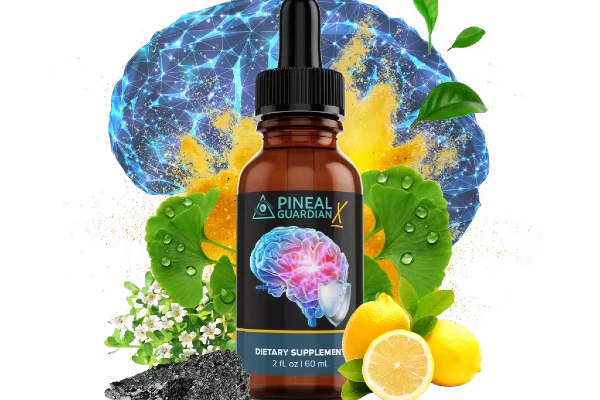
Pineal Guardian X
A premium natural brain health supplement designed to support memory, mental clarity, focus, and long-term cognitive performance with a carefully selected blend of plant-based ingredients.
Pineal Gland Calcification: What the Science Actually Says About Brain Aging and Memory
Search "pineal gland calcification" and you will land in one of two very different places. One side treats it as a spiritual conspiracy — fluoride in the water supply "calcifying your third eye," blocking some higher consciousness. The other side, the actual radiology and endocrinology literature, treats it as something much more mundane: a genuinely common, measurable anatomical change that shows up on brain scans and has a real, if modest, relationship to melatonin production.
Both extremes get something wrong. The pseudoscience overstates what calcification means. But dismissing it entirely also misses something real — this is one of the few age-related brain changes with actual peer-reviewed data behind it. Here is what the research says, without the mysticism and without the dismissal.
Quick Answer
Is pineal gland calcification real, and does it matter? Yes, it is real and extremely common — one large study found calcification present in over 84% of scanned patients, increasing with age up to roughly the early sixties. What the evidence supports is a measurable link between the degree of calcification and reduced melatonin production, since calcified tissue cannot produce melatonin the way healthy pineal tissue can. What the evidence does not support is the popular "decalcification" industry's claims that avoiding fluoride, tanning the forehead, or specific detox protocols can reverse it — none of these have been tested in controlled research. The scientifically supported approach is supporting melatonin and circadian health through evidence-based means, not attempting to "decalcify" the gland itself.
What Is Pineal Gland Calcification — And Is It Really Common?
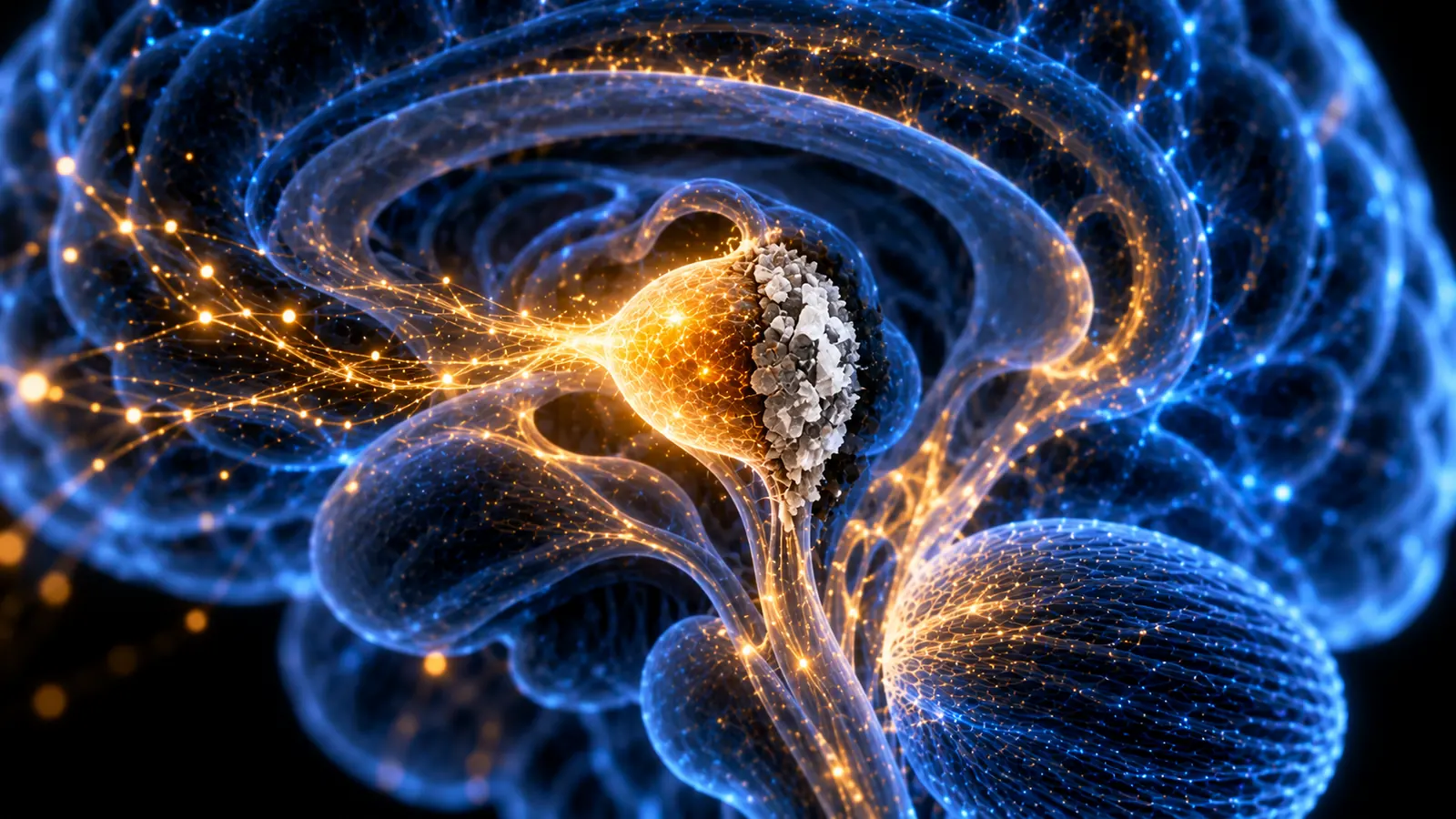
The pineal gland is a small endocrine structure roughly the size of a grain of rice, located deep in the centre of the brain between the two hemispheres. Its primary job is producing melatonin, the hormone that governs your sleep-wake cycle and broader circadian rhythm.
Calcification refers to the gradual deposition of calcium phosphate crystals within the gland's tissue — a process radiologists can see clearly on CT scans, which is in fact how most cases are identified, usually incidentally during brain imaging done for unrelated reasons.
A 2023 cross-sectional study examining 586 patients found pineal gland calcification present in 84.47% of scans — making it closer to a near-universal feature of the aging brain than a rare abnormality. The relationship with age was not perfectly linear, however: calcification increased steadily with age up to approximately 63 years old, after which the pattern became less consistent. The same study identified male sex and cigarette smoking as significant risk factors, with smoking showing a particularly strong association in older participants (see References below).
This is worth sitting with: if you are over 40, there is a reasonable chance some degree of pineal calcification is already present in your brain, whether or not you have ever heard the term before. That alone does not mean anything is wrong — the more important question is what, if anything, it actually does.
The Real Mechanism: How Calcification Reduces Melatonin
This is where the science moves from "interesting anatomical fact" to something with genuine functional relevance. Calcified pineal tissue does not produce melatonin the way healthy tissue does — calcium deposits effectively displace functional glandular cells.
A study using cranial CT imaging to measure the degree of pineal calcification, combined with urinary melatonin metabolite testing, found that the amount of uncalcified pineal tissue correlated directly with melatonin output. The researchers concluded that "the decline in aMT6s excretion with age can be sufficiently explained by an increased pineal calcification" — in other words, calcification is not just correlated with lower melatonin production, it appears to be a primary mechanical explanation for why melatonin output declines as people get older (see References below).
This is a genuinely important finding, and it is also where the honest scientific story stops being dramatic. It does not show that calcification causes memory loss, dementia, or any specific cognitive disease. It shows a specific, physiological pathway between an anatomical change and reduced hormone output — which then raises the separate question of what reduced melatonin itself does to the aging brain.
Why Melatonin Matters Beyond Sleep — Its Role in Brain Aging
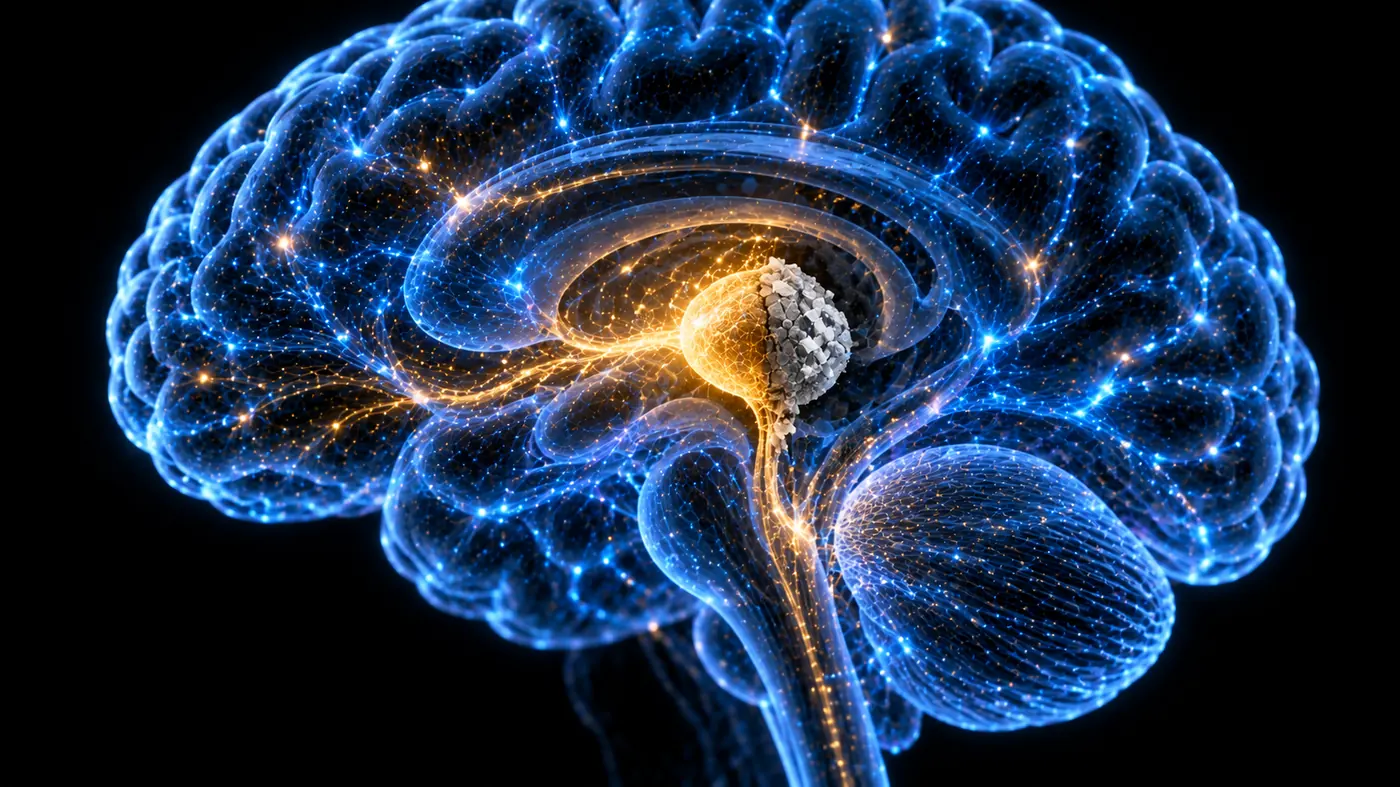
Melatonin's reputation as "the sleep hormone" undersells what it actually does in the brain. Research on melatonin's neuroprotective role describes it as a potent antioxidant and free radical scavenger, working through both hormone receptors and receptor-independent pathways, including activation of the body's own antioxidant defence systems.
What makes this particularly relevant to brain aging is where melatonin concentrates in the body: it accumulates in mitochondria — the cellular structures responsible for energy production — at levels dramatically higher than in the bloodstream. This matters because mitochondria are also the primary source of the reactive oxygen species that drive oxidative stress and cellular aging. Melatonin is, in effect, concentrated precisely where oxidative damage originates.
Research in this area has also found associations between lower nocturnal melatonin levels and measures of cognitive impairment, and melatonin supplementation in animal models has been shown to improve cognition-related deficits linked to oxidative stress (see References below). It is important to be precise about what this does and does not establish: this describes an association and a plausible mechanism, not proof that restoring melatonin reverses cognitive decline in humans. But it explains, mechanistically, why a gland most people have never thought about is relevant to long-term brain health at all.
Separating Science from Pseudoscience: What "Decalcification" Claims Get Wrong
Because pineal calcification is a real, scannable phenomenon, it has been adopted by a wellness industry that goes considerably further than the research supports. Claims that avoiding fluoridated water, practising specific detox protocols, or "sungazing" can reverse existing calcification are not supported by any controlled clinical research. No study has demonstrated that calcium deposits, once formed in pineal tissue, can be dissolved or removed through diet or lifestyle intervention.
This does not mean nothing is worth doing. It means the honest distinction is between reversing calcification, which is currently unproven, and supporting the melatonin and circadian systems that calcification affects, which has real evidence behind it. The most useful natural approaches work with the biology rather than promising to undo the anatomy.
What You Can Actually Do to Support Pineal and Melatonin Health
Protect Existing Melatonin Production
Since smoking showed the strongest modifiable risk association with calcification severity in the research above, reducing or eliminating smoking is the single most directly evidence-supported action available.
Support the Circadian Signal That Drives Melatonin Release
Bright light exposure during the day and darkness at night are the primary external cues that regulate the pineal gland's melatonin release timing, independent of how much calcified tissue is present. Morning sunlight exposure and minimising blue light in the 1-2 hours before bed both support the timing signal that healthy pineal tissue responds to.
Support the Body's Broader Antioxidant and Cognitive Aging Defences
Pineal Guardian X is formulated around supporting healthy pineal gland function, melatonin production, and the circadian rhythm regulation that underlies both sleep quality and cognitive performance — positioning it around supporting the system's natural function rather than any unproven decalcification claim.
Combined with the lifestyle factors above — reduced smoking, consistent light exposure timing, and quality sleep — supporting melatonin and antioxidant capacity through natural means addresses the mechanisms the research actually supports, rather than the anatomical claims it does not.
Key Takeaways
✓ Pineal gland calcification is real, common, and visible on standard brain imaging — one large study found it present in 84.47% of scans, increasing with age up to roughly the early sixties
✓ Calcified pineal tissue produces less melatonin — research directly linked the degree of calcification to reduced melatonin metabolite excretion, explaining much of the age-related decline in melatonin output
✓ Melatonin functions as a mitochondria-concentrated antioxidant with associations to cognitive function, not just a sleep hormone — giving the pineal-melatonin pathway genuine relevance to brain aging
✓ Popular "decalcification" claims — fluoride avoidance, detox protocols, sungazing — are not supported by controlled research; no study has shown existing calcification can be reversed
✓ The evidence-based approach is supporting melatonin production and circadian health through smoking reduction, consistent light exposure, and quality sleep — not attempting to reverse the anatomy itself
Frequently Asked Questions
Can pineal gland calcification be reversed?
No controlled research has demonstrated that existing calcium deposits in pineal tissue can be dissolved or reversed through diet, detox protocols, or lifestyle changes. The evidence-based focus is on supporting melatonin production in the tissue that remains functional.
Does pineal gland calcification cause memory loss or dementia?
No study has established that calcification directly causes memory loss or dementia. The research shows a mechanistic link between calcification and reduced melatonin, and separately, associations between lower melatonin and cognitive impairment measures — but this is not the same as proving calcification itself causes cognitive decline.
Is pineal gland calcification linked to fluoride in water?
This is a widely circulated claim without strong supporting evidence from controlled human research. The identified risk factors with actual research support are age, male sex, and smoking.
At what age does pineal calcification typically start?
Research shows calcification increasing steadily with age up to approximately the early sixties, though it can be present, at lower degrees, well before that.
Is there a money-back guarantee on Pineal Guardian X?
Please check the current offer details on the official Pineal Guardian X order page for guarantee terms.
Related Guides
→ Pineal Guardian X Review — Complete Independent Review
→ Why Is My Memory Getting Worse? Causes and Solutions
→ How to Sleep Better for Brain Health — Complete Guide
→ Brain Fog: Causes, Symptoms, and Natural Solutions
→ Why You Wake Up at 3 AM — Causes and Solutions
Medical Disclaimer
This article is educational and does not replace professional medical advice. Pineal gland calcification is typically identified incidentally during brain imaging performed for unrelated reasons and is not, on its own, a diagnosis requiring treatment. If you have concerns about a specific imaging finding, memory changes, or sleep disruption, please consult a qualified healthcare professional. Pineal Guardian X is a dietary supplement — it is not a medical treatment and does not diagnose, treat, or cure any medical condition, including pineal gland calcification.
Sharp Brain Lab is an independent editorial platform. We do not diagnose, treat, or cure any medical condition.
TL;DR
- What's real: Pineal gland calcification is a common, scannable anatomical change (84.47% prevalence in one study) that measurably reduces melatonin production
- What's not proven: That calcification directly causes memory loss or dementia, or that it can be reversed through diet, detox, or "decalcification" protocols
- Why it matters anyway: Melatonin is a mitochondria-concentrated antioxidant associated with cognitive function, not just sleep — making the pathway genuinely relevant to brain aging
- What helps: Reducing smoking, consistent light exposure timing, quality sleep, and supporting melatonin/antioxidant capacity through natural means like Pineal Guardian X
This content is based on information from:
- Peer-reviewed radiological and endocrinological research on pineal gland calcification prevalence
- Peer-reviewed research on the relationship between pineal calcification and melatonin excretion
- Peer-reviewed research on melatonin's neuroprotective and antioxidant role in brain aging
Last updated: 9 September 2026
References
1. Jalali N, Dehghani Firouzabadi M, Mirshekar A, Khalili P, Ravangard AR, Ahmadi J, Askari PS, Jalali Z. (2023). Cross-sectional analysis of potential risk factors of the pineal gland calcification. BMC Endocrine Disorders. 23(1):49.
2. Kunz D, Schmitz S, Mahlberg R, Mohr A, Stöter C, Wolf KJ, Herrmann WM. (1999). A New Concept for Melatonin Deficit: On Pineal Calcification and Melatonin Excretion. Neuropsychopharmacology. 21(6):765-772.
3. Melhuish Beaupre LM, Brown GM, Gonçalves VF, Kennedy JL. (2021). Melatonin's neuroprotective role in mitochondria and its potential as a biomarker in aging, cognition and psychiatric disorders. Translational Psychiatry. 11(1):339.
recomendado
Brain Audio Programs
The Memory Wave
A targeted audio program that stimulates your brain's memory center using Theta wave technology. Specifically designed for adults over 40 who want sharper recall and clearer thinking.
Brain Audio Programs
Audio Brain Programs
A 7-minute daily audio that uses neuroscience-backed sound frequencies to sharpen focus, boost memory, and unlock your brain's full potential. Used by 80,000+ people worldwide.
Brain Audio Programs
The Genius Switch
Neuroscience-backed audio that activates your brain's peak performance mode in minutes. One of the highest-converting brain programs available — thousands of professionals use it daily.
Sleep Optimization
YuSleep
Recommended for adults who struggle with falling asleep, waking up at 3 AM, or waking up tired even after a full night's sleep. YuSleep combines clinically studied ingredients that support deeper, more restorative sleep without creating dependency.
Tinnitus Relief
NeuroTinn
Natural sound therapy program designed to help reduce tinnitus perception, promote relaxation, and improve sleep without medication.