
Is There a Cure for Tinnitus? Realistic Expectations
No pill or procedure reliably makes tinnitus disappear. Here's what the research actually supports, why 'cure' is often the wrong goal, and what real improvement looks like.
disclosure This article contains affiliate links. Purchases may earn us a commission at no extra cost to you. We only recommend products we've reviewed.
featured in this review
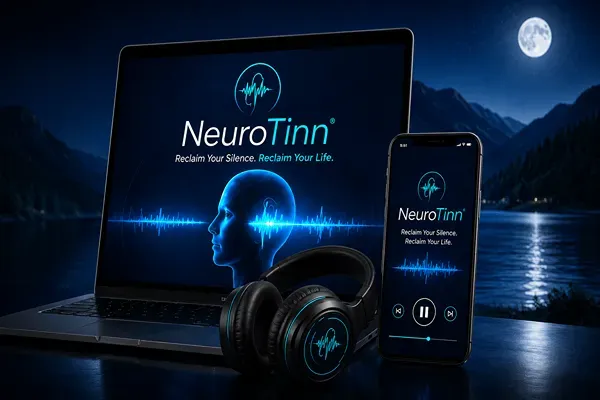
NeuroTinn
Natural sound therapy program designed to help reduce tinnitus perception, promote relaxation, and improve sleep without medication.
Is There a Cure for Tinnitus? Realistic Expectations
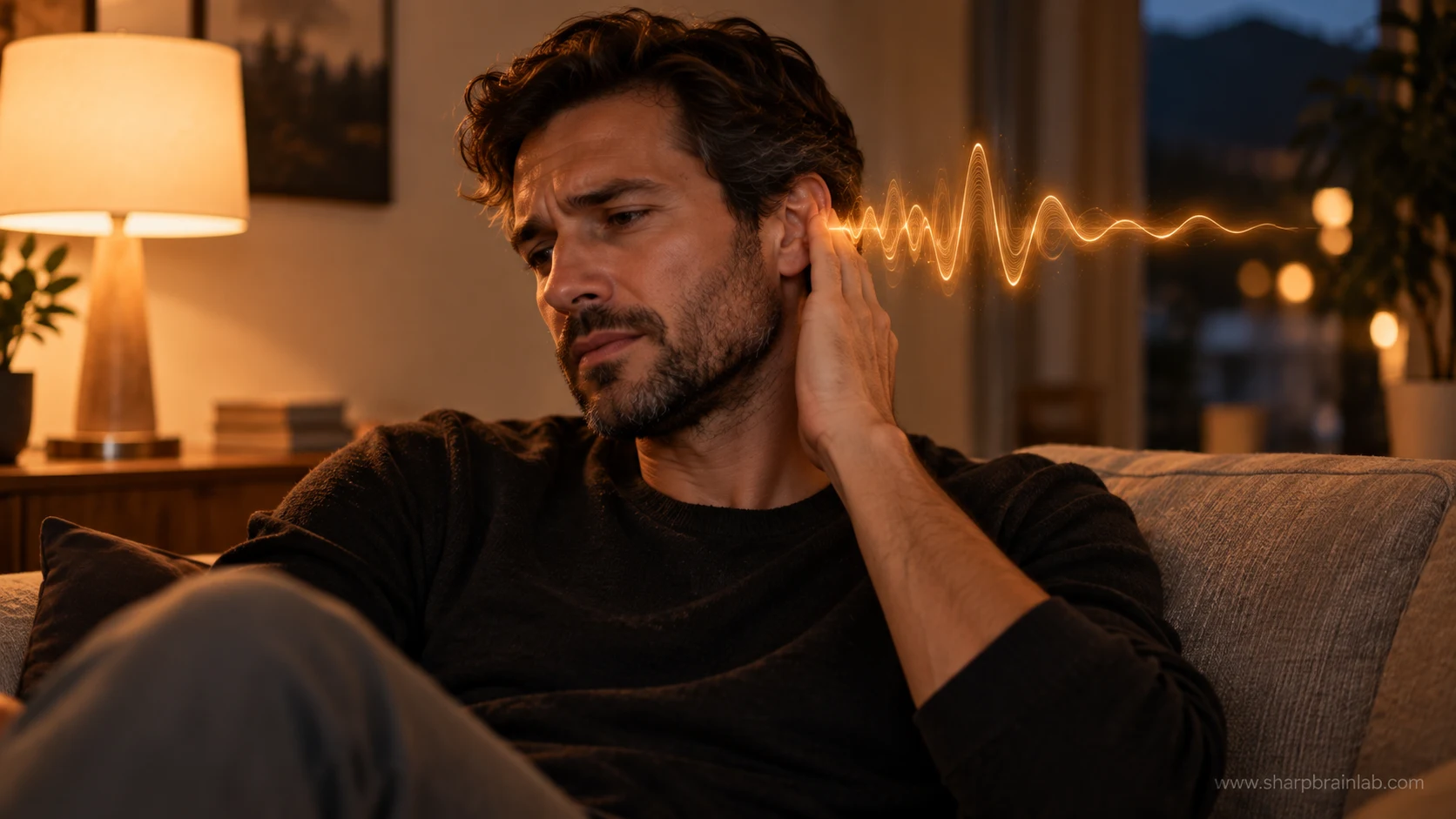
Search "tinnitus cure" and you'll find everything from surgical claims to supplement pages promising silence within days. Almost none of it is honest. Decades of research point to a more useful — if less dramatic — answer: for most people, tinnitus isn't something medicine currently switches off. But that's not the same as saying nothing can be done. The research on what actually reduces tinnitus's impact is genuinely encouraging; it's just aimed at a different goal than "cure."
Quick Answer
Is there a cure for tinnitus? No — there is currently no medication, surgery, or device proven to reliably eliminate tinnitus perception for most people, and clinical guidelines do not recommend chasing one. What the evidence does support is management: approaches like structured sound therapy and cognitive behavioral therapy (CBT) that help the brain habituate to the tinnitus signal, substantially reducing how much it affects attention, sleep, and mood — even when the sound itself doesn't fully disappear. For most people, the realistic and achievable goal isn't silence; it's tinnitus no longer running the show.
Why "Cure" Is the Wrong Starting Question
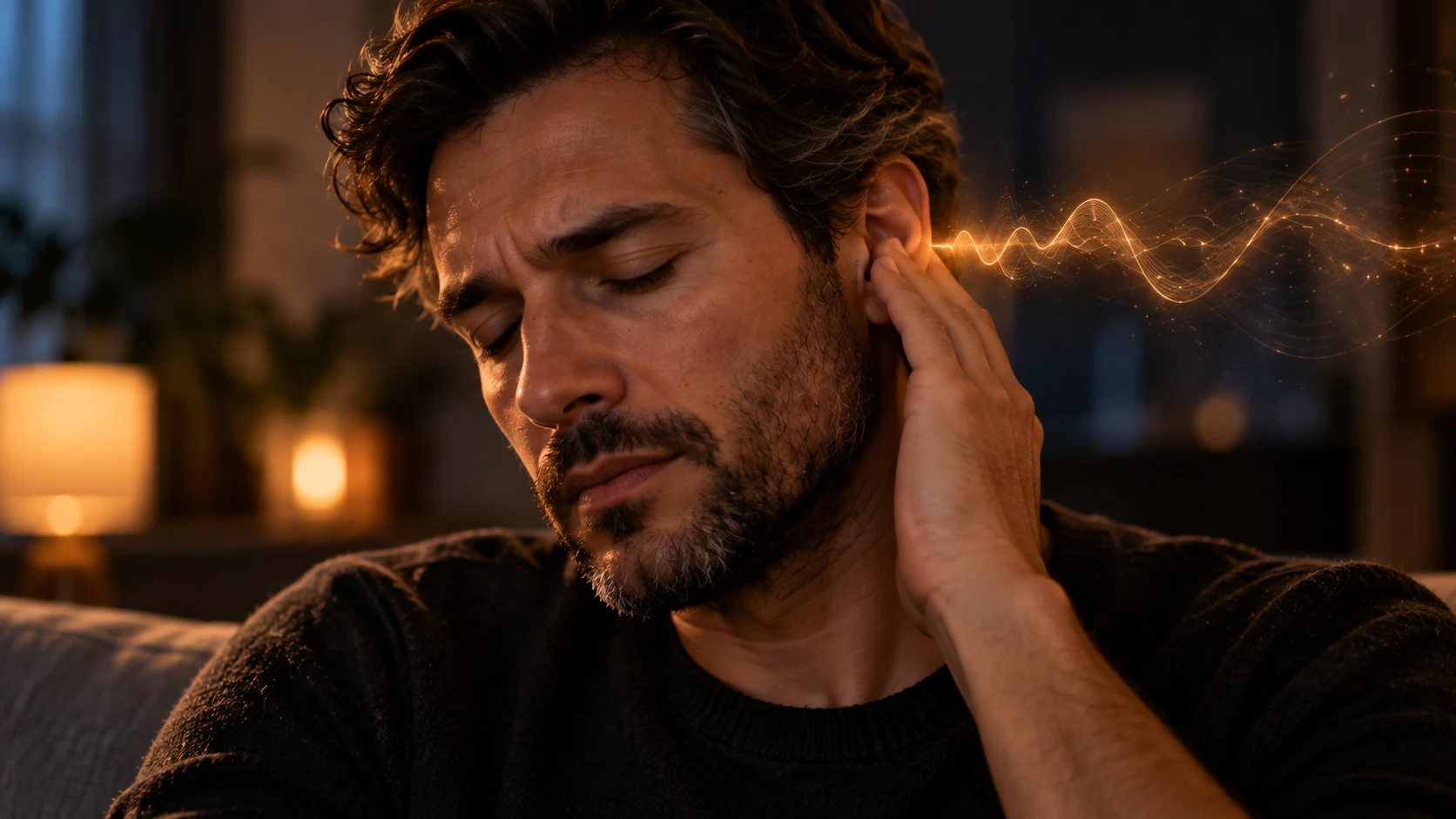
Tinnitus usually isn't a single condition with one fixable cause — it's a perception generated by the auditory system and brain, often triggered by changes like hearing loss, noise exposure, or age-related auditory changes, but then maintained by how the brain's attention and emotional-processing networks respond to that signal over time. This is the core of the neurophysiological model first proposed by Pawel Jastreboff in 1990: tinnitus perception itself is generated in the auditory pathways, but its severity and how intrusive it feels are shaped by limbic and autonomic nervous system involvement — the brain's stress and attention circuitry (see References below).
That distinction matters because it explains why there's no single drug target. You can't "cure" a process that involves auditory generation, attention, and emotional response all interacting — but you can retrain how the brain relates to that signal, which is a fundamentally different (and more achievable) treatment goal than eliminating the sound itself.
What the Research Actually Supports
The most comprehensive clinical guidance available is the 2019 multidisciplinary European tinnitus guideline, led by Cima and colleagues and published in HNO, which reviewed the evidence across drug treatments, sound-based therapies, and psychological approaches. Its conclusion was direct: no pharmacological treatment has been shown to reliably reduce tinnitus itself, and the guideline explicitly recommends against relying on drugs as a primary treatment. What it does recommend, with the strongest evidence behind it, is a combination of structured counseling, sound therapy, and cognitive behavioral therapy.
That CBT recommendation is backed by one of the more rigorous reviews in this field: a 2020 Cochrane systematic review by Fuller and colleagues, which pooled the highest-quality randomized trials available. It found that CBT does not reliably reduce how loud tinnitus sounds — but it produces a meaningful, consistent improvement in tinnitus-related distress, quality of life, and symptoms of depression associated with tinnitus. In plain terms: the sound often stays the same; how much it disrupts someone's life gets measurably better.
Habituation: The Realistic Goal Behind Every Evidence-Based Approach
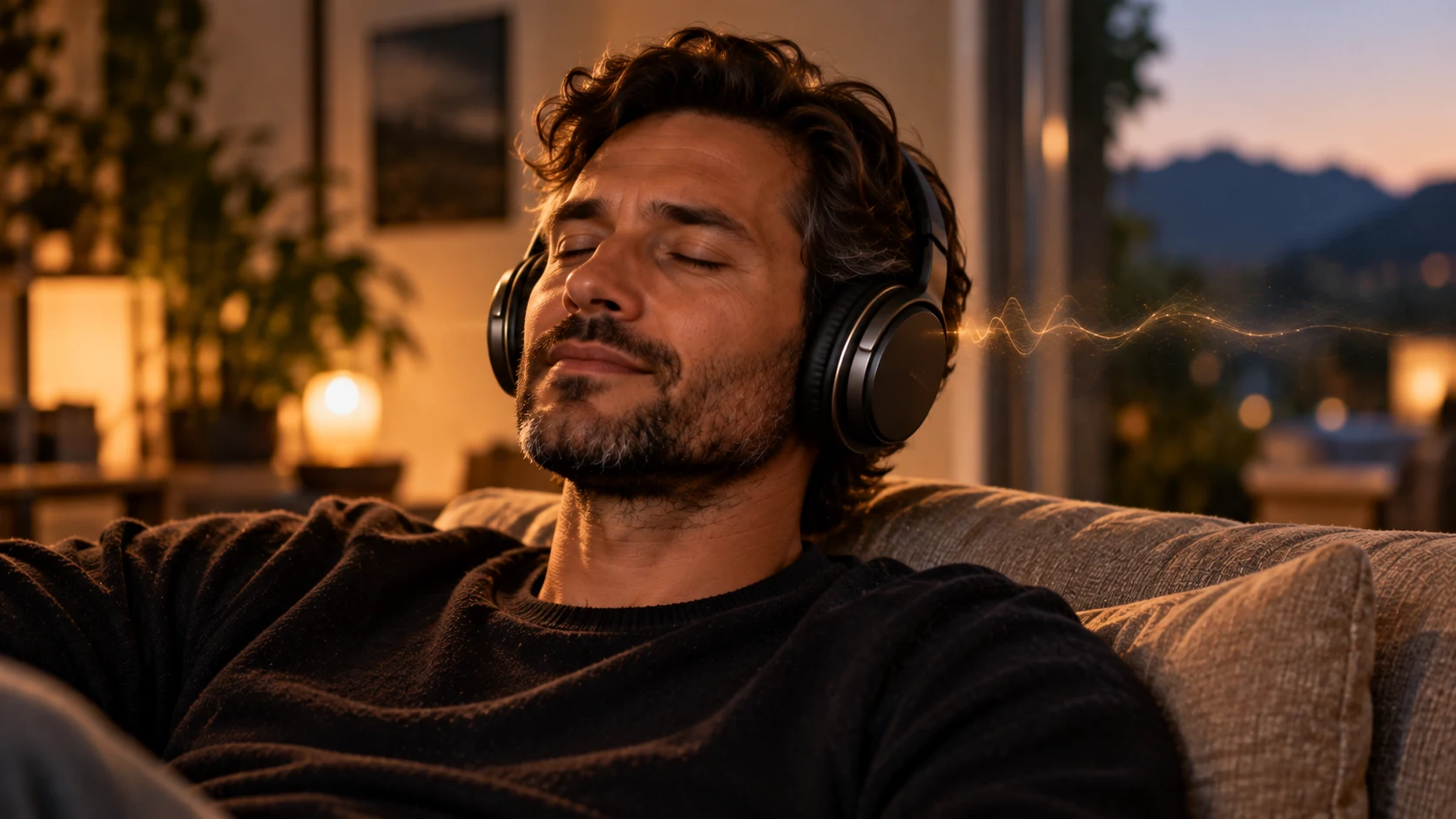
Both sound therapy and CBT work through the same underlying mechanism: habituation. Rather than trying to mask or eliminate the tinnitus signal, the goal is to help the brain's auditory and attention pathways gradually reclassify it as background information — not a threat worth constant monitoring. This is a gradual process, typically unfolding over weeks to months of consistent use, not something that happens in a single session.
This is where structured sound programs fit in. NeuroTinn uses precision binaural beats sound therapy designed for sustained, consistent daily use — directly supporting the habituation process the clinical evidence points to, rather than promising to eliminate the underlying signal. It's a tool aligned with what the research actually shows works: consistent, tolerable sound exposure over time, not a one-time fix.
What "Realistic Improvement" Actually Looks Like
For people newly dealing with tinnitus, the outcomes worth expecting are rarely "it's gone" — they're changes like these: falling asleep without the ringing being the last thing you notice, going through a workday without actively tracking it, and having it fade into the background during conversation or concentration instead of competing for attention. These are the outcomes CBT and sound therapy trials actually measure — tinnitus-related distress, sleep quality, and quality-of-life scores — rather than sound intensity, because those are the outcomes that consistently improve with treatment.
It's also worth being clear about variability: tinnitus severity and cause differ widely between individuals, some cases do improve or resolve on their own (particularly when linked to a temporary or reversible trigger like an ear infection or short-term loud noise exposure), and persistent, sudden-onset, or one-sided tinnitus always warrants a medical evaluation to rule out an underlying cause that needs its own treatment — habituation-based approaches are for managing tinnitus once medical causes have been assessed, not a substitute for that evaluation.
Key Takeaways
✓ No medication, surgery, or device currently offers a reliable cure for tinnitus — clinical guidelines explicitly recommend against relying on drug treatment as a primary approach
✓ The strongest evidence-based approaches — sound therapy and CBT — work through habituation, helping the brain stop treating tinnitus as urgent, rather than eliminating the underlying signal
✓ A 2020 Cochrane review found CBT reliably improves tinnitus-related distress and quality of life, even when it doesn't reduce how loud tinnitus sounds
✓ Realistic improvement means tinnitus fading into the background of daily life, not necessarily disappearing entirely
✓ Persistent, sudden, or one-sided tinnitus should always be medically evaluated first, before or alongside any management approach
Frequently Asked Questions
Will tinnitus ever go away completely?
For some people, especially when tinnitus is linked to a temporary or reversible trigger, it can resolve substantially or fully. For many others, particularly tinnitus linked to permanent hearing changes, the more realistic and well-supported outcome is significant reduction in how much it affects daily life through habituation, rather than complete disappearance.
What's the closest thing to a "cure" that actually has evidence behind it?
Cognitive behavioral therapy has the strongest evidence for meaningfully improving tinnitus-related distress and quality of life, according to a 2020 Cochrane review. Structured sound therapy, used consistently, supports the same habituation process. Neither eliminates the tinnitus signal itself — both change how much it affects you.
How long does habituation typically take?
It varies by individual, but meaningful improvement in clinical trials is generally measured over weeks to several months of consistent use, not days. Consistency matters more than any single session.
Are tinnitus supplements or sound therapy programs a "scam" if they don't eliminate the sound?
Not necessarily — but any product claiming to "cure" or eliminate tinnitus outright is making a claim the current evidence doesn't support. Legitimate sound therapy tools are designed to support habituation and reduce tinnitus-related distress, which is a genuinely evidence-backed goal, just a different one than "cure."
Should I still see a doctor if I'm trying sound therapy or CBT?
Yes. Persistent, sudden-onset, or one-sided tinnitus should always be evaluated by a healthcare professional to rule out underlying causes. Management approaches like sound therapy work alongside medical evaluation, not instead of it.
Related Guides
→ What Is Tinnitus? Complete Guide to Causes and Relief
→ How to Stop Ringing in Ears Naturally: 7 Methods
→ Tinnitus, Anxiety, and Stress: How They're Connected
→ White Noise for Tinnitus: Does Sound Masking Actually Work?
→ NeuroTinn Review: Does It Actually Reduce Tinnitus?
Medical Disclaimer
This article is educational and does not replace professional medical advice. Persistent, sudden-onset, or one-sided tinnitus should be evaluated by a qualified healthcare professional to rule out underlying causes. Sound therapy approaches, including structured programs like NeuroTinn, are complementary management tools and not a substitute for medical evaluation or a claimed cure.
Sharp Brain Lab is an independent editorial platform. We do not diagnose, treat, or cure any medical condition.
TL;DR
- The honest answer: there is currently no reliable medical cure for tinnitus, and clinical guidelines recommend against relying on drug treatments
- What works instead: sound therapy and CBT, both supported by clinical evidence, working through habituation rather than elimination of the signal
- What "success" looks like: tinnitus fading into the background of daily life — better sleep, better focus, less distress — not necessarily silence
- Always first: medical evaluation for persistent, sudden, or one-sided tinnitus, before or alongside any management approach
This content is based on information from:
- The foundational neurophysiological model of tinnitus
- A 2019 multidisciplinary European clinical guideline on tinnitus diagnosis and treatment
- A 2020 Cochrane systematic review of cognitive behavioral therapy for tinnitus
Last updated: 17 September 2026
References
1. Jastreboff PJ. (1990). Phantom auditory perception (tinnitus): mechanisms of generation and perception. Neuroscience Research. 8(4):221-254.
2. Cima RFF, Mazurek B, Haider H, et al. (2019). A multidisciplinary European guideline for tinnitus: diagnostics, assessment, and treatment. HNO. 67(Suppl 1):10-42.
3. Fuller T, Cima R, Langguth B, Mazurek B, Vlaeyen JWS, Hoare DJ. (2020). Cognitive behavioural therapy for tinnitus. Cochrane Database of Systematic Reviews. Issue 1. Art. No.: CD012614.
recomendado
Sleep Optimization
YuSleep
Recommended for adults who struggle with falling asleep, waking up at 3 AM, or waking up tired even after a full night's sleep. YuSleep combines clinically studied ingredients that support deeper, more restorative sleep without creating dependency.
Brain Supplements
Pineal Guardian X
A premium natural brain health supplement designed to support memory, mental clarity, focus, and long-term cognitive performance with a carefully selected blend of plant-based ingredients.
Brain Audio Programs
Audio Brain Programs
A 7-minute daily audio that uses neuroscience-backed sound frequencies to sharpen focus, boost memory, and unlock your brain's full potential. Used by 80,000+ people worldwide.
Brain Audio Programs
The Memory Wave
A targeted audio program that stimulates your brain's memory center using Theta wave technology. Specifically designed for adults over 40 who want sharper recall and clearer thinking.
Brain Audio Programs
The Genius Switch
Neuroscience-backed audio that activates your brain's peak performance mode in minutes. One of the highest-converting brain programs available — thousands of professionals use it daily.