
Does Magnesium Help You Sleep? What the Research Actually Shows
Magnesium is one of the most searched sleep supplements — but does it actually work, and does the form you take matter? Here's what the clinical research supports.

disclosure This article contains affiliate links. Purchases may earn us a commission at no extra cost to you. We only recommend products we've reviewed.
featured in this review
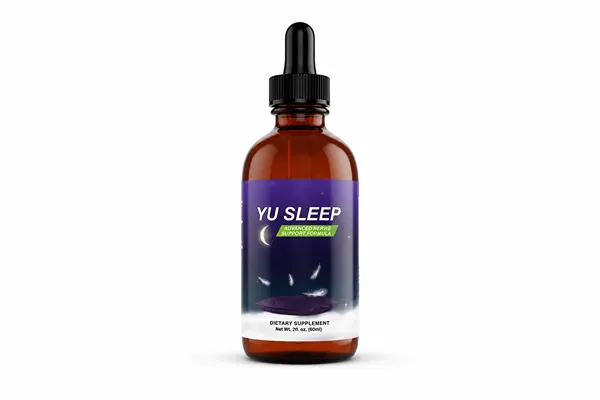
YuSleep
Recommended for adults who struggle with falling asleep, waking up at 3 AM, or waking up tired even after a full night's sleep. YuSleep combines clinically studied ingredients that support deeper, more restorative sleep without creating dependency.
Does Magnesium Help You Sleep? What the Research Actually Shows
Magnesium shows up on almost every "natural sleep aid" list, usually with a confident claim attached. The honest picture is more specific than that: magnesium does have real clinical research behind it for sleep, particularly in people with mild deficiency or age-related sleep difficulty — but the effect is modest, not sedative, and which form of magnesium you take genuinely changes what you're getting.
Quick Answer
Does magnesium help you sleep? For many people, yes — modestly. Clinical trials in older adults with insomnia found that magnesium supplementation improved sleep onset time, sleep efficiency, and early-morning awakenings compared to placebo, and combination studies pairing magnesium with melatonin and zinc showed similar improvements. Magnesium isn't a sedative and won't force sleep the way a sleeping pill does — its role is supporting the nervous system processes involved in winding down, which is why the form you take (and what it's combined with) matters more than with a simple stimulant-style sleep aid.
What the Research on Magnesium and Sleep Actually Shows
The most directly relevant clinical trial is a 2012 double-blind, placebo-controlled study by Abbasi and colleagues, published in the Journal of Research in Medical Sciences, which gave elderly adults with primary insomnia either magnesium or a placebo for eight weeks. The magnesium group showed significant improvements in sleep efficiency, sleep time, and sleep onset latency, along with lower early-morning awakening — and, notably, favorable changes in melatonin and cortisol levels, two hormones directly involved in the sleep-wake cycle (see References below).
A related 2011 double-blind trial by Rondanelli and colleagues, published in the Journal of the American Geriatrics Society, tested a combination of melatonin, magnesium, and zinc in long-term care residents with insomnia and found meaningful improvements in sleep quality and morning alertness compared to placebo. Together, these trials point to a consistent, real, but modest effect — magnesium supplementation measurably helps sleep parameters in populations prone to mild deficiency or age-related sleep changes, rather than acting as a fast, forceful sedative.
Why the Form of Magnesium Matters (Glycinate vs. Other Forms)
Not all magnesium supplements are the same molecule doing the same job. Common forms like magnesium oxide are poorly absorbed and more likely to cause digestive discomfort, which is part of why "does magnesium help you sleep" gets mixed anecdotal answers — a lot of it depends on which magnesium someone actually took. Magnesium glycinate — magnesium bound to the amino acid glycine — is better absorbed and gentler on digestion, and it carries a second advantage specific to sleep: glycine itself has its own research behind it. A 2007 study by Yamadera and colleagues, published in Sleep and Biological Rhythms, found that glycine ingestion before bed improved subjective sleep quality in human volunteers, with changes visible on polysomnography (objective sleep recordings), independent of magnesium's own effects.
That's a meaningful distinction: magnesium glycinate isn't just "magnesium with better absorption" — it pairs magnesium's role with glycine's own separately studied calming effect on sleep onset, which is why this specific form shows up so often in sleep-focused formulations rather than the cheaper, more common oxide form.

Magnesium's Role in the Bigger Picture: Stress and Sleep
Part of why magnesium is tied to sleep at all comes down to its relationship with the nervous system's stress response. A 2016 study by Wienecke and Nolden, published in MMW Fortschritte der Medizin, used long-term heart rate variability (HRV) monitoring — an objective marker of autonomic nervous system balance — and found that magnesium intake was associated with measurable stress reduction over time. Since a hyperaroused, stressed nervous system is one of the most common things standing between a tired body and actually falling asleep, magnesium's stress-modulating role is likely part of why it shows up in sleep research at all, rather than acting on sleep through some separate, sedative mechanism.
This is the specific gap magnesium glycinate is included for in YuSleep's formulation — supporting the nervous system's ability to downshift, alongside the formula's other ingredients, rather than functioning as a standalone sedative.
How Much Magnesium (and When) Actually Helps
The clinical trials showing benefit for sleep generally used magnesium in the evening, consistent with supporting the wind-down period before bed rather than being taken at some other time of day. Dosing in the research varies by study and population, and general nutritional guidelines cap recommended daily magnesium intake well below what would be used to correct a significant deficiency medically — which is part of why sleep-focused formulations combine a modest, well-absorbed magnesium glycinate dose with complementary ingredients (like the cherry extract, L-theanine, and GABA in YuSleep) rather than relying on a very high magnesium dose alone.
It's also worth being realistic about who benefits most: the strongest evidence comes from older adults and people with mild magnesium insufficiency, not from healthy young adults with no sleep issues and adequate dietary magnesium intake. If sleep problems are severe, persistent, or linked to a diagnosed condition, magnesium supplementation is a reasonable complementary step, not a substitute for a proper sleep evaluation.

Key Takeaways
✓ Clinical trials in older adults with insomnia found magnesium supplementation improved sleep efficiency, sleep onset time, and early-morning awakenings compared to placebo
✓ The effect is modest and supportive, not sedative — magnesium doesn't force sleep the way a sleeping pill does
✓ Magnesium glycinate is better absorbed than common forms like magnesium oxide, and glycine itself has separate research showing it improves subjective and objective sleep quality
✓ Magnesium's link to sleep is likely tied to its role in stress and nervous system regulation, shown in HRV research, rather than a standalone sedative mechanism
✓ The strongest evidence is in older adults and people with mild deficiency — it's a complementary step, not a replacement for evaluating a serious or persistent sleep problem
Frequently Asked Questions
Does magnesium help you sleep the same night you take it?
It can support sleep onset that night, but the clinical trials showing the clearest benefit used consistent nightly supplementation over several weeks, not a single one-off dose. Expecting a strong same-night sedative effect sets the wrong expectation.
Is magnesium glycinate better than other forms for sleep?
The research supports it as a good choice: it's well absorbed, gentler on digestion than forms like magnesium oxide, and the glycine component has its own separately studied sleep benefit, giving it two mechanisms working together rather than one.
Can you take too much magnesium for sleep?
Yes — excess magnesium, especially from poorly absorbed forms, is a common cause of digestive upset. Staying within general nutritional guidelines and choosing a well-absorbed form like glycinate reduces this risk considerably.
Who benefits most from magnesium for sleep?
The clinical evidence is strongest in older adults with insomnia and people with mild magnesium insufficiency — populations where a real, correctable gap exists. Healthy adults with adequate dietary magnesium and no sleep issues are less likely to notice a dramatic difference.
Does magnesium interact with sleep medications?
Magnesium can interact with certain medications, including some antibiotics and diuretics. Anyone on prescription medication should check with a doctor or pharmacist before adding a magnesium supplement.
Related Guides
→ Deep Sleep vs REM Sleep: How Each Stage Affects Memory
→ Why You Wake Up at 3 AM (And How to Stop It)
→ Tired After 8 Hours of Sleep? Here's Why
→ Can You Catch Up on Lost Sleep? What Sleep Debt Recovery Actually Looks Like
→ YuSleep Review — Does It Actually Improve Sleep Quality?
Medical Disclaimer
This article is educational and does not replace professional medical advice. Persistent or severe sleep difficulties should be evaluated by a qualified healthcare professional. Always consult your doctor before beginning any new supplement, particularly if you take prescription medications, are pregnant, or have an existing medical condition.
Sharp Brain Lab is an independent editorial platform. We do not diagnose, treat, or cure any medical condition.
TL;DR
- The evidence: clinical trials in older adults with insomnia found magnesium supplementation improved sleep efficiency, onset time, and early-morning awakenings versus placebo
- The nuance: the effect is modest and supportive, not sedative, and the form matters — magnesium glycinate is better absorbed and glycine itself has separate sleep research behind it
- The mechanism: likely tied to magnesium's role in nervous system and stress regulation, shown in heart rate variability research
- Who benefits most: older adults and people with mild magnesium insufficiency, as a complementary step rather than a stand-alone fix
This content is based on information from:
- A 2012 double-blind, placebo-controlled trial of magnesium for insomnia in elderly adults
- A 2011 double-blind trial of melatonin, magnesium, and zinc for insomnia in long-term care residents
- A 2007 study on glycine ingestion and sleep quality
- A 2016 study on magnesium intake and stress reduction measured via heart rate variability
Last updated: 24 September 2026
References
1. Abbasi B, Kimiagar M, Sadeghniiat K, Shirazi MM, Hedayati M, Rashidkhani B. (2012). The effect of magnesium supplementation on primary insomnia in elderly: A double-blind placebo-controlled clinical trial. Journal of Research in Medical Sciences. 17(12):1161-1169.
2. Rondanelli M, Opizzi A, Monteferrario F, Antoniello N, Manni R, Klersy C. (2011). The effect of melatonin, magnesium, and zinc on primary insomnia in long-term care facility residents in Italy: a double-blind, placebo-controlled trial. Journal of the American Geriatrics Society. 59(1):82-90.
3. Yamadera W, Inagawa K, Chiba S, Bannai M, Takahashi M, Nakayama K. (2007). Glycine ingestion improves subjective sleep quality in human volunteers, correlated with polysomnographic changes. Sleep and Biological Rhythms. 5(2):126-131.
4. Wienecke E, Nolden C. (2016). Long-term HRV analysis shows stress reduction by magnesium intake. MMW Fortschritte der Medizin. 158(Suppl 6):12-16.
recomendado
Brain Audio Programs
Audio Brain Programs
A 7-minute daily audio that uses neuroscience-backed sound frequencies to sharpen focus, boost memory, and unlock your brain's full potential. Used by 80,000+ people worldwide.
Brain Audio Programs
The Memory Wave
A targeted audio program that stimulates your brain's memory center using Theta wave technology. Specifically designed for adults over 40 who want sharper recall and clearer thinking.
Brain Supplements
Pineal Guardian X
A premium natural brain health supplement designed to support memory, mental clarity, focus, and long-term cognitive performance with a carefully selected blend of plant-based ingredients.