
Deep Sleep vs REM Sleep: How Each Stage Affects Memory
Deep sleep and REM sleep are often talked about like rivals — one is 'the good one.' A 2025 study shows the real relationship is more interesting than that.
disclosure This article contains affiliate links. Purchases may earn us a commission at no extra cost to you. We only recommend products we've reviewed.
featured in this review
YuSleep
Recommended for adults who struggle with falling asleep, waking up at 3 AM, or waking up tired even after a full night's sleep. YuSleep combines clinically studied ingredients that support deeper, more restorative sleep without creating dependency.
Deep Sleep vs REM Sleep: How Each Stage Affects Memory
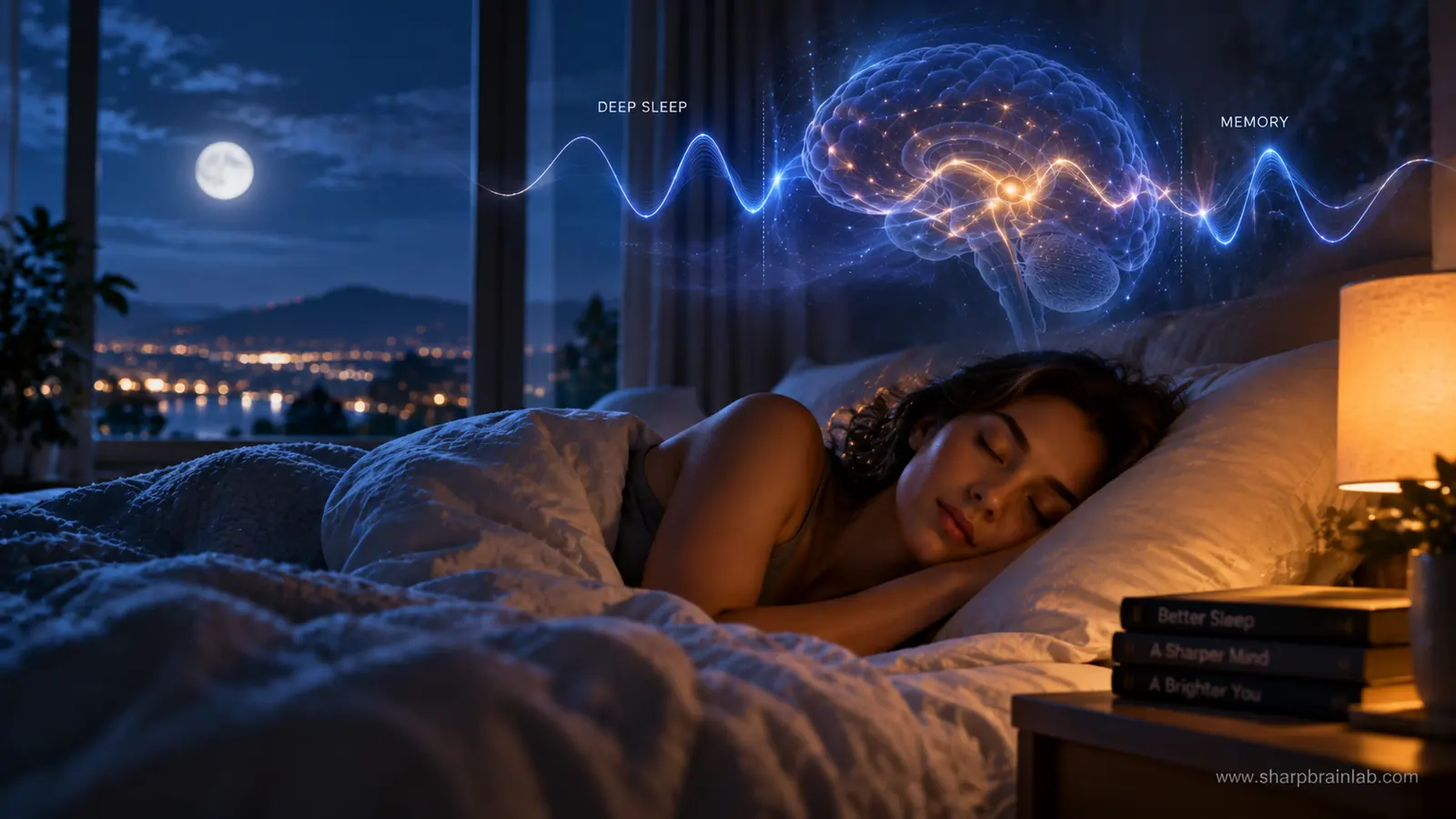
Sleep tracker apps love to declare a winner. Deep sleep gets framed as the "restorative" stage, REM as the one tied to dreaming and, supposedly, memory. Chase whichever number your app rewards, and you'd think you could optimize one at the expense of the other. A 2025 study complicates that picture in a genuinely useful way — showing that deep sleep and REM sleep aren't competing for the job of consolidating memory. They're doing different, complementary parts of it, and one of them doesn't behave the way researchers expected.
Quick Answer
Which is better for memory, deep sleep or REM sleep? Neither "wins" — a 2025 study found the two stages play distinct, complementary roles in consolidating emotional memories, and total memory benefit was most strongly tied to the combined time spent in both stages together, not either one alone. More surprisingly, the study found that actively reactivating emotional memories during REM sleep specifically impaired recall, while the same reactivation technique during deep (slow-wave) sleep helped. The practical takeaway isn't "protect REM" or "protect deep sleep" in isolation — it's that a full, uninterrupted sleep cycle that includes healthy amounts of both stages is what memory consolidation actually depends on.
What the 2025 Study Actually Found
Researchers Yuksel, Denis, Coleman, Ren, Oh, Cox, Morgan, Sato, and Stickgold, publishing in Communications Biology, studied 123 healthy young adults across five experimental groups, using a memory-reactivation technique during specific sleep stages to test how slow-wave sleep (SWS, the deepest stage) and REM sleep each contribute to consolidating emotionally charged memories.
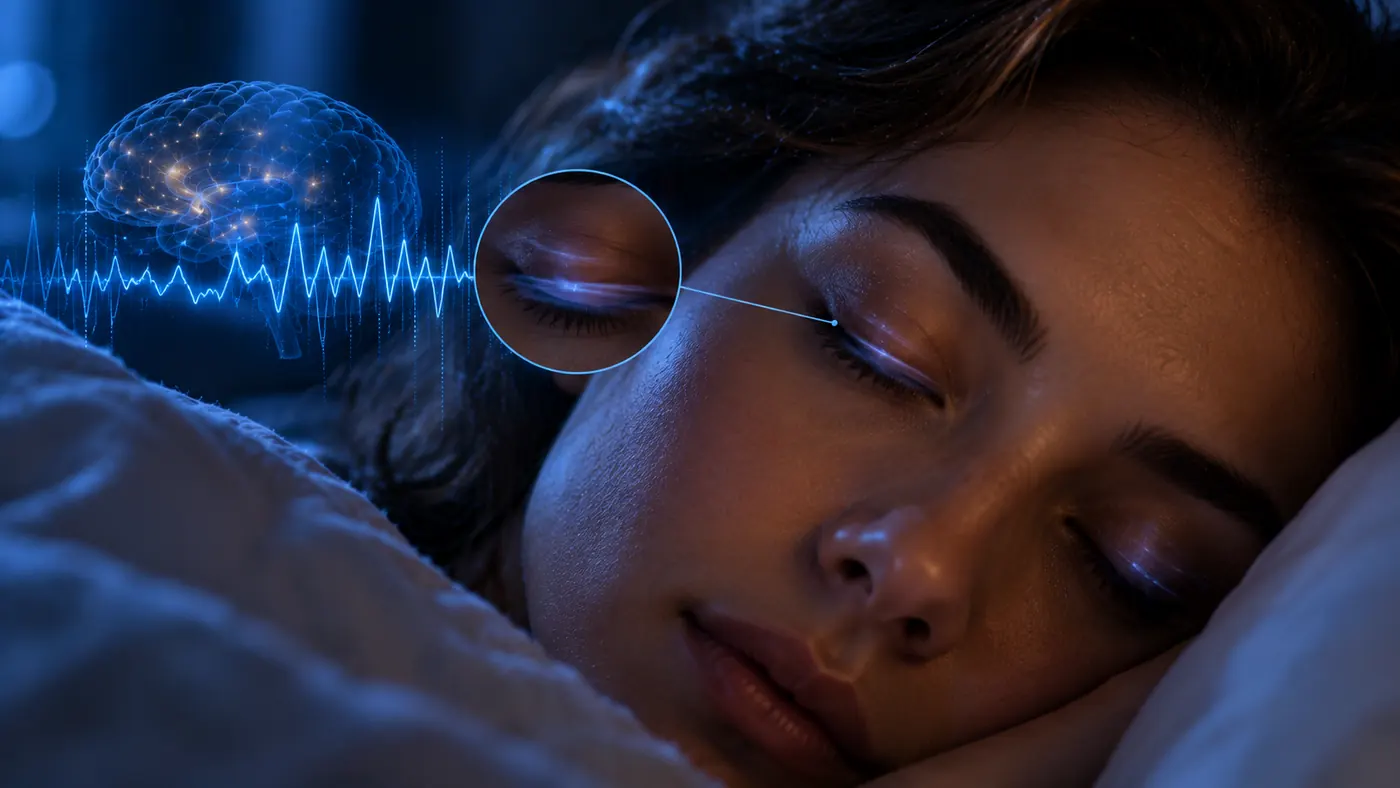
The result ran against the researchers' own expectations. Reactivating emotional memories during REM sleep impaired recall of those memories — the opposite of what a "REM is when emotional memories get processed" framing would predict. Reactivation during slow-wave sleep, by contrast, produced measurable memory benefits. And critically, the overall benefit was "strongly correlated with the product of time spent in REM and SWS" — meaning the two stages together, not either one alone, predicted how well emotional memories were retained (see References below).
Why This Matters More Than "Which Stage Is Better"
The finding reframes a question people often ask backwards. It isn't deep sleep versus REM sleep, with one mattering more for memory — it's that memory consolidation appears to depend on the interaction between stages across a complete sleep cycle, not on maximizing any single stage.
This matters practically because of what disrupts full sleep architecture. REM sleep concentrates disproportionately in the later part of the night, meaning early wake-ups, alcohol before bed, and fragmented sleep all tend to cut REM time specifically — while deep sleep, which concentrates earlier in the night, is more often disrupted by difficulty falling asleep in the first place or frequent early-night awakenings. Optimizing for "more deep sleep" while ignoring REM, or vice versa, misses the point the research actually supports: the goal is a complete, minimally interrupted sleep cycle, not maximizing one metric your tracker happens to highlight.
What Actually Supports a Complete Sleep Cycle
Since the evidence points to the full architecture of sleep mattering more than any single stage in isolation, the most useful interventions are ones that support falling asleep well, staying asleep, and completing full sleep cycles — rather than ones that claim to selectively boost just REM or just deep sleep.
Consistent sleep and wake times help stabilize the timing of both SWS and REM across the night, since both stages follow a predictable pattern tied to your circadian rhythm and time since sleep onset.
Minimizing middle-of-the-night and early-morning awakenings matters disproportionately for REM, since it's concentrated later in the sleep cycle — an early wake-up doesn't just shorten sleep, it disproportionately cuts the stage most associated with emotional memory processing.
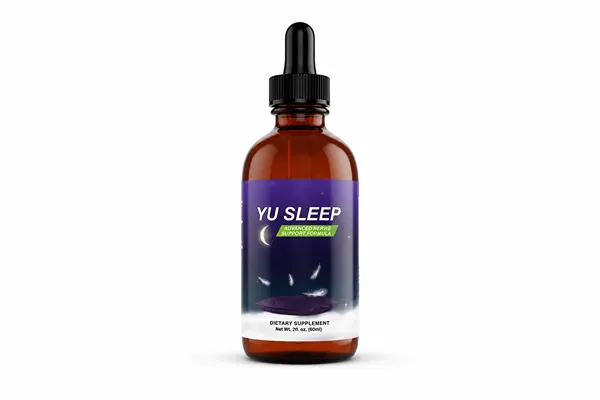
Supporting the physiological systems behind sleep architecture — rather than any single stage — is the approach behind YuSleep's formulation of clinically studied ingredients, designed to support deeper, more restorative sleep and a more resilient overall sleep-wake cycle, tracked by users via wearables like Oura and WHOOP.

Key Takeaways
✓ A 2025 study found slow-wave (deep) sleep and REM sleep play distinct, complementary roles in emotional memory consolidation — neither is simply "better" than the other
✓ Reactivating emotional memories during REM sleep impaired recall in the study, while the same technique during deep sleep helped — a counterintuitive finding worth knowing before assuming "REM = memory processing"
✓ Overall memory benefit was most strongly tied to combined time in both stages together, not either stage alone
✓ REM concentrates later in the night and is disproportionately cut by early wake-ups and fragmented sleep; deep sleep concentrates earlier and is more affected by trouble falling or staying asleep initially
✓ The practical goal is a complete, minimally disrupted sleep cycle — not maximizing one stage your tracker happens to spotlight
Frequently Asked Questions
Is deep sleep or REM sleep more important for memory?
Neither alone — a 2025 study found they play complementary roles, with total memory benefit most strongly tied to combined time in both stages rather than either one in isolation.
Why did reactivating memories during REM sleep hurt recall in the study?
The researchers found this result went against their own hypothesis. It suggests REM sleep's role in processing emotional memories is more complex than simple reinforcement, and that actively disturbing REM with reactivation cues may interfere with whatever process is naturally happening during that stage.
Does my sleep tracker's REM/deep sleep percentage actually matter?
It can be a useful general signal, but this research suggests focusing on maximizing one stage in isolation misses the bigger picture — a complete, unfragmented sleep cycle across the whole night matters more than any single percentage.
What disrupts REM sleep the most?
Since REM concentrates in the later part of the night, early wake-ups, alcohol consumption before bed, and any factor that fragments sleep in the second half of the night tend to reduce REM time disproportionately.
Can YuSleep specifically increase REM sleep?
YuSleep is formulated to support deeper, more restorative sleep and a healthy overall sleep-wake cycle rather than to selectively target one specific sleep stage.
Related Guides
→ Why You Wake Up at 3 AM: Causes and Solutions
→ Tired After 8 Hours Sleep? Here's Why and How to Fix It
→ How Blue Light Affects Sleep and Melatonin Production
→ Why Is My Memory Getting Worse? Causes and Solutions
→ YuSleep Review: Does This Sleep Formula Work?
→ Can You Catch Up on Lost Sleep? What Sleep Debt Recovery Actually Looks Like
→ Does Magnesium Help You Sleep? What the Research Actually Shows
Medical Disclaimer
This article is educational and does not replace professional medical advice. Persistent sleep difficulties, especially when accompanied by daytime impairment or memory concerns, should be evaluated by a qualified healthcare professional. Always consult your doctor before beginning any new supplement, particularly if you take prescription medications or have an existing medical condition.
Sharp Brain Lab is an independent editorial platform. We do not diagnose, treat, or cure any medical condition.
TL;DR
- The study: a 2025 Communications Biology study tested how slow-wave and REM sleep each contribute to emotional memory consolidation in 123 adults
- The surprise: reactivating memories during REM impaired recall; reactivating during deep sleep helped — and combined time in both stages predicted overall benefit best
- What it means: memory consolidation depends on complete sleep architecture, not maximizing one stage
- What helps: consistent sleep timing, minimizing awakenings (especially late-night, which cut REM), and supporting overall sleep quality with something like YuSleep
This content is based on information from:
- A 2025 peer-reviewed study on slow-wave sleep, REM sleep, and emotional memory consolidation
Last updated: 11 September 2026
References
1. Yuksel C, Denis D, Coleman J, Ren B, Oh A, Cox R, Morgan A, Sato E, Stickgold R. (2025). Both slow wave and rapid eye movement sleep contribute to emotional memory consolidation. Communications Biology. 8:407.
recomendado
Brain Audio Programs
Audio Brain Programs
A 7-minute daily audio that uses neuroscience-backed sound frequencies to sharpen focus, boost memory, and unlock your brain's full potential. Used by 80,000+ people worldwide.
Brain Audio Programs
The Memory Wave
A targeted audio program that stimulates your brain's memory center using Theta wave technology. Specifically designed for adults over 40 who want sharper recall and clearer thinking.
Brain Supplements
Pineal Guardian X
A premium natural brain health supplement designed to support memory, mental clarity, focus, and long-term cognitive performance with a carefully selected blend of plant-based ingredients.